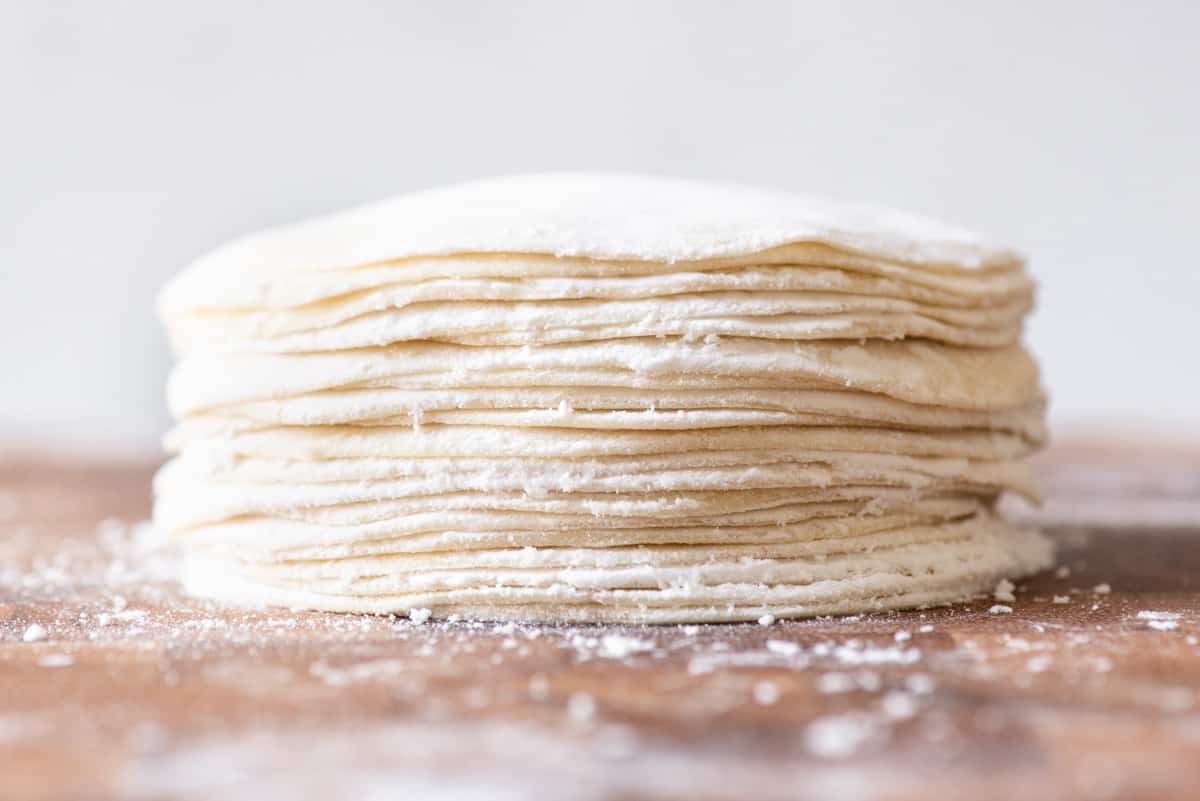
The Secret to Soft, Chewy Dumpling Wrappers: Hot Water Dough
There's an undeniable magic to a perfectly crafted dumpling – that delicate parcel of savory filling, encased in a tender, slightly chewy wrapper that yields with every bite. While store-bought wrappers offer convenience, anyone who has tasted a dumpling made with Easy Homemade Dumpling Wrappers: 3 Pantry Staple Ingredients will tell you there's simply no comparison. The difference lies in the texture, the pliability, and the incredible freshness that only a homemade wrapper can provide. If you're wondering how to make dumpling wrappers that are truly exceptional, the secret ingredient isn't a rare spice or a complex technique – it's simply hot water.
This comprehensive guide will demystify the process of creating the ultimate dumpling wrapper using the hot water dough method. Requiring just three pantry staples – all-purpose flour, salt, and hot water – this technique is surprisingly simple and guarantees a wrapper that is soft, supple, and strong enough to hold even the most generous fillings without tearing. Get ready to elevate your dumpling game and impress your taste buds with wrappers that are truly superior.
Why Hot Water Dough is the Ultimate Secret for Dumpling Wrappers
The choice of water temperature for your dough isn't a mere detail; it's a fundamental decision that dramatically impacts the final texture of your dumpling wrappers. Hot water dough stands out as the superior choice for most dumpling applications, especially those destined for steaming or pan-frying, thanks to a fascinating scientific principle.
When hot water (ideally between 130-140°F or 54-60°C) is introduced to flour, two key things happen:
- Starch Gelatinization: The hot water cooks, or "gelatinizes," the starch in the flour. This process allows the flour to absorb more water than it would with cold water, resulting in a dough with higher moisture content. This increased hydration is crucial for achieving that desirable tender and soft texture in the cooked wrapper.
- Partial Gluten Inhibition: Simultaneously, the heat from the water partially denatures the proteins responsible for gluten development. Unlike cold water dough, which encourages strong gluten networks, hot water dough has less elasticity. This reduced elasticity is a significant advantage: the dough becomes much easier to roll out thinly without constantly snapping back, and the resulting wrappers are more tender, less tough, and beautifully chewy.
This unique combination of properties makes hot water dough ideal for wrappers that need to be soft, pliable, and easy to shape. Whether you're crafting classic Chinese jiaozi, delicate Japanese gyoza, or robust Korean mandu (which often feature substantial fillings like kimchi, tofu, and starch noodles), a hot water dough wrapper provides the perfect balance of tenderness and durability. They are less prone to tearing during the filling and pleating process, and they maintain their soft chewiness even after cooking.
In contrast, cold water dough develops more gluten, leading to a tougher, more elastic wrapper that springs back when rolled. While this can be advantageous for boiled dumplings that need to withstand prolonged cooking in water, for steaming and pan-frying, hot water dough delivers a far superior, melt-in-your-mouth experience.
Gathering Your Simple Ingredients and Tools
One of the most appealing aspects of learning how to make dumpling wrappers at home is the minimal ingredient list. You truly only need three staples, plus some basic kitchen equipment:
Essential Ingredients:
- All-Purpose Flour: This is your primary ingredient. Most standard all-purpose flours work beautifully. For those looking for specific types, unbleached all-purpose flour is a popular choice among many home cooks. If you're exploring Korean cuisine, you might encounter "joong-lyuk-boon" (중력분), which is the Korean term for all-purpose flour. While exact measurements for a cup of flour can vary by weight (often around 140 grams), don't fret if you don't have a scale. The beauty of dumpling dough is its forgiving nature – you can always adjust with a little more flour or water as needed to achieve the right consistency.
- Salt: A pinch of salt enhances the flavor of the wrapper and contributes to the dough's structure.
- Hot Water (130-140°F / 54-60°C): This is the crucial element. Ensure your water is within this temperature range. Too cool, and you'll get more gluten development; too hot, and you risk cooking the flour too much and making the dough difficult to work with. A simple food thermometer can help, or you can heat water until it's steamy but not boiling vigorously.
Basic Tools:
- Large Mixing Bowl: To comfortably combine your ingredients.
- Chopsticks or Sturdy Spoon: Ideal for initially mixing the hot water into the flour without burning your hands.
- Clean, Well-Floured Cooking Surface: A large countertop or pastry board for kneading.
- Rolling Pin: A small, thin rolling pin is often preferred by experienced dumpling makers for precise, thin edges, but any standard rolling pin will work.
- Plastic Wrap or Damp Kitchen Towel: Essential for covering the dough during resting to prevent it from drying out.
- Optional: Kitchen Scale: For precise flour measurements, though not strictly necessary.
Step-by-Step Guide: How to Make Dumpling Wrappers (Hot Water Method)
Mastering how to make dumpling wrappers involves a few key stages. Follow these steps for perfectly pliable dough:
1. Mixing the Dough:
- In your large mixing bowl, combine the all-purpose flour and salt. Use chopsticks or a spoon to give them a quick mix, ensuring the salt is evenly distributed.
- Gradually pour the hot water (130-140°F) into the flour mixture while continuously stirring with your chopsticks or spoon. This slow addition helps the flour absorb the water evenly and prevents lumps.
- Continue mixing until the water is fully absorbed and the dough starts to come together in shaggy, crumbly clumps. It won't look smooth or fully cohesive at this stage, which is perfectly normal.
2. Kneading the Dough:
- Lightly flour your clean working surface. Transfer the crumbly dough onto the floured surface.
- Begin kneading the dough with your hands. For the first few minutes, it might feel a bit dry or stiff, but persist. The warmth from your hands and the continued manipulation will help it come together.
- Knead for approximately 5-8 minutes. The goal is to transform the crumbly mass into a smooth, elastic, and round ball of dough. It should feel soft and pliable, but not sticky. If it feels too dry, add a tiny bit of water (half a teaspoon at a time). If it's too sticky, dust with a little more flour. The "feel" of the dough is more important than strict timings or measurements here.
3. Resting the Dough:
- Once your dough ball is smooth and uniform, cover it tightly with plastic wrap or a damp kitchen towel. This prevents the dough from drying out and forming a crust.
- Allow the dough to rest at room temperature for at least 30 minutes, or even up to an hour. This resting period is crucial. It allows the gluten to relax, making the dough much softer, more pliable, and significantly easier to roll out thinly without resistance. Do not skip this step!
4. Dividing and Rolling the Wrappers:
- After resting, uncover the dough. Briefly knead it for about 30 seconds to re-activate it.
- Method 1 (Recommended for efficiency): Shape the dough into a long, even log, about 1-1.5 inches in diameter. Use a sharp knife or bench scraper to cut the log into small, equal-sized pieces (about 10-12 grams each for standard-sized dumplings).
- Take one piece of dough and flatten it slightly with your palm into a disk. Keep the remaining dough covered to prevent it from drying out.
- Lightly flour your rolling surface and the dough disk. Using a small rolling pin, begin rolling the dough. For round wrappers, typically you roll from the center outwards, rotating the dough a quarter turn after each roll. Aim for slightly thicker centers and thinner edges.
- Continue rolling until the wrapper is thin and almost translucent, typically about 3-4 inches in diameter. The thickness should be consistent enough to prevent tearing but thin enough to cook quickly and remain tender. For more insights on achieving the perfect dough consistency and thickness, refer to Mastering Homemade Dumpling Wrappers: Durable & Pliable Dough.
- As you roll each wrapper, place it on a lightly floured surface or baking sheet. If you're not using them immediately, stack them with small pieces of parchment paper in between to prevent sticking, then cover with plastic wrap or a damp towel.
Expert Tips for Flawless Homemade Dumpling Wrappers
Even with a solid recipe, a few expert tips can make all the difference in your journey to master how to make dumpling wrappers:
- Trust Your Touch: The precise amount of water needed can vary slightly depending on your flour, humidity, and even how you measure. Focus on the feel of the dough: it should be soft and pliable, not sticky, and smooth after kneading. Don't be afraid to adjust by adding tiny amounts of flour or water as needed.
- Patience with Resting: The resting period is non-negotiable. It allows the dough to relax, making it incredibly easy to roll without fighting its elasticity. A well-rested dough is a joy to work with.
- Keep it Covered: Dough dries out quickly, especially when working with hot water dough. Always keep any portion of the dough you're not actively working with covered with plastic wrap or a damp cloth. This includes the main dough ball and any divided pieces waiting to be rolled.
- Practice Makes Perfect: Rolling perfectly round, uniformly thin wrappers takes practice. Don't get discouraged if your first few aren't pristine. You'll quickly develop a rhythm and technique. Focus on consistent pressure and regular rotation.
- Storage Solutions: If you have leftover dough, it can be wrapped tightly in plastic wrap and stored in the refrigerator for 1-2 days. Let it come to room temperature before rolling. Unused rolled wrappers can also be stacked with parchment paper in between and stored in an airtight container in the fridge for a day, or frozen for longer-term storage.
Conclusion
Learning how to make dumpling wrappers using the hot water dough method is a truly rewarding culinary skill. It transforms the humble dumpling from a simple dish into an art form, offering unparalleled texture, freshness, and the satisfaction of creating something truly from scratch. While it involves a little more effort than tearing open a package of store-bought wrappers, the superior softness, chewiness, and durability of these homemade skins are absolutely worth it.
With just three ingredients and a bit of practice, you'll be crafting beautiful, tender wrappers that elevate any filling you choose. Embrace the process, enjoy the tactile experience of dough making, and prepare to delight in the incredible taste of your very own homemade dumplings. Happy dumpling making!
