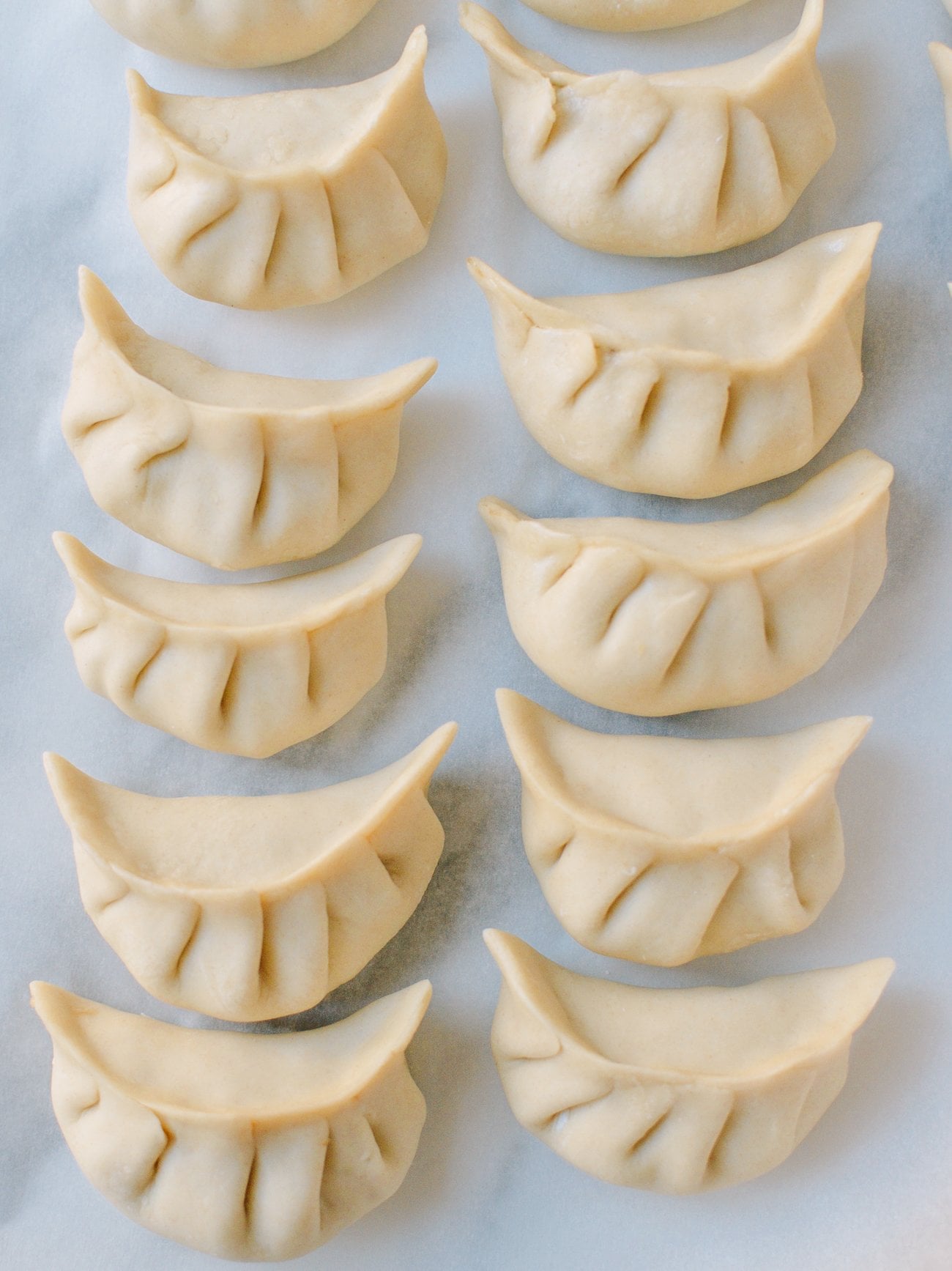
Mastering Homemade Dumpling Wrappers: Durable & Pliable Dough
There’s an undeniable magic to a perfectly crafted dumpling – a delicate parcel bursting with savory filling, nestled within a wrapper that’s just right. While store-bought wrappers offer convenience, anyone who has tasted a dumpling made with fresh, homemade dough knows there’s no comparison. The secret to that exquisite texture, the tender bite, and the satisfying chewiness lies in mastering your own dumpling wrappers from scratch. Forget fragile, easily torn skins; we're talking about creating a dough that is both incredibly durable for ample fillings and wonderfully pliable for effortless pleating. This comprehensive guide will show you how to make dumpling wrappers that elevate your dumpling game, using just a few pantry staples. Get ready to transform your kitchen into a dumpling haven!Why Homemade Dumpling Wrappers Trump Store-Bought Every Time
If you've ever felt frustrated by store-bought wrappers that crack, tear, or become strangely tough after cooking, you're not alone. The benefits of making your own are truly transformative:- Superior Taste and Texture: Freshly made wrappers are inherently softer, chewier, and more tender. They simply taste better and provide a comforting mouthfeel that pre-packaged versions can't replicate. The difference is palpable in every bite.
- Unmatched Durability: One of the biggest advantages of homemade wrappers is their strength. Our recipe yields a dough that can withstand generous fillings, such as the substantial kimchi mandu (Korean dumplings) brimming with vegetables, tofu, meat, and noodles. These wrappers won't easily tear, giving you confidence as you shape your culinary creations.
- Total Control Over Size and Thickness: Tired of wrappers that are too small or too thick for your ideal dumpling? Making your own puts you in the driver's seat. You can customize the size and thinness to perfectly complement your filling, whether you're making tiny potstickers or large, hearty parcels.
- A More Rewarding Culinary Experience: There’s immense satisfaction in crafting something delicious from basic ingredients. The process of mixing, kneading, and rolling out your own dough connects you more deeply to the food you're preparing.
The Secret Weapon: Hot Water Dough for Pliable & Durable Wrappers
The foundation of truly exceptional dumpling wrappers lies in the use of hot water. This isn't just a trivial detail; it's a scientific principle that dramatically impacts the dough's final characteristics, making it ideal for the steaming and pan-frying methods often used for dumplings. If you want to dive deeper into this topic, be sure to check out our article on The Secret to Soft, Chewy Dumpling Wrappers: Hot Water Dough. Here’s why hot water is your best friend when learning how to make dumpling wrappers:When hot water is introduced to flour, several key reactions occur:
- Partial Gluten Inhibition: The heat partially denatures the proteins in the flour, which in turn inhibits extensive gluten development. While some gluten is necessary for structure, too much can make the dough overly elastic and tough. Hot water dough strikes a perfect balance.
- Starch Gelatinization: The hot water also cooks, or gelatinizes, the starch in the flour. This process allows the flour to absorb more water without becoming overly sticky.
The result? A dough that has a higher water content but is less elastic than dough made with cold water. This makes it incredibly easy to roll out thin without it constantly springing back. Post-cooking, this higher moisture content translates to wonderfully tender dumpling skins that remain soft and chewy. It’s particularly excellent for dumplings that will be steamed or pan-fried, as they won't absorb excessive water during cooking, maintaining their integrity and desired texture.
In contrast, cold water dough, with its higher gluten development, tends to be more elastic and tougher, making it better suited for boiled dumplings where strength is paramount against prolonged submersion in water.
Gathering Your Simple Ingredients and Essential Tools
The beauty of homemade dumpling wrappers is their reliance on just a few common pantry staples. You truly only need 3 core ingredients to embark on this delicious journey. For a quick overview, you might also be interested in our guide: Easy Homemade Dumpling Wrappers: 3 Pantry Staple Ingredients.Ingredients:
- All-Purpose Flour: Unbleached all-purpose flour is generally recommended for its consistent quality. While precise weight measurement (around 140 grams per cup) is ideal if you have a kitchen scale, don't fret if you don't. You can always adjust the dough consistency by adding a little more flour or water as needed. In Korean markets, this is known as "joong-lyuk-boon" (중력분).
- Salt: A small amount of salt enhances the flavor of the dough.
- Hot Water: Crucial for the hot water dough method. Aim for water heated to approximately 130-140°F (54-60°C). This is hot to the touch but not boiling.
Essential Tools:
- Large mixing bowl
- Chopsticks or a sturdy spatula for initial mixing
- Measuring cups and spoons (or a digital kitchen scale for precision)
- Clean, well-floured work surface (like a countertop or large cutting board)
- Small rolling pin (a traditional Chinese or Korean rolling pin is excellent for wrappers, but any small pin will work)
- Plastic wrap or a damp kitchen towel
Step-by-Step: Crafting Your Pliable Dumpling Dough
Learning how to make dumpling wrappers begins with mastering the dough. Follow these steps for a perfectly pliable and durable foundation:1. Initial Mix and Hydration:
In your large mixing bowl, combine the all-purpose flour and salt. Use chopsticks or a spatula to mix them evenly. While continuously stirring, slowly pour in the hot water (130-140°F). Continue mixing until the water is absorbed and the flour begins to clump together, forming a shaggy, combined dough. At this stage, it might still look a bit crumbly and dry, which is perfectly normal.
2. Kneading for Smoothness:
Transfer the dough mixture onto a lightly floured clean cooking surface. Begin kneading the dough with your hands. This is where the magic happens! Knead for approximately 5-8 minutes. As you knead, the dough will transform from rough and crumbly to a smoother, more cohesive ball. The more you knead, the more developed the minimal gluten structure becomes, resulting in a wonderfully uniform and supple dough. It should be relatively smooth but might still feel a bit stiff – this is ideal before resting.
3. The Essential Rest:
Once your dough ball is smooth, cover it tightly with plastic wrap or a damp kitchen towel. Let it rest at room temperature for at least 30 minutes, or even up to an hour. This resting period is critical: it allows the flour to fully hydrate, the dough to relax, and any remaining stiffness to dissipate. After resting, your dough will feel noticeably softer, more pliable, and much easier to work with when it comes to rolling.
Rolling and Shaping Your Perfect Wrappers
With your perfectly rested dough ready, the next step in learning how to make dumpling wrappers is the rolling process. This is where you gain ultimate control over your dumpling's final presentation and texture.- Divide the Dough: On a lightly floured surface, gently roll the rested dough into a log. Divide this log into smaller, equal-sized pieces. The size of each piece will dictate the size of your wrapper. For standard dumplings, pieces roughly the size of a golf ball or slightly smaller (around 10-15g) are a good starting point. Keep any dough you're not immediately working with covered to prevent it from drying out.
- Flatten and Roll: Take one piece of dough and flatten it slightly with your palm into a small disk. Using a small rolling pin, begin rolling from the center outwards. The goal is to create a wrapper that is thinner at the edges and slightly thicker in the middle. This thicker center helps hold the filling and prevents tearing, while the thin edges make for beautiful, easily sealed pleats.
- Achieve Uniformity: Roll each wrapper into a thin, circular disk, aiming for a thickness of about 1-2mm. If you're new to this, don't worry about perfect circles initially; practice makes perfect! Rotate the dough frequently as you roll to ensure even thinning.
- Prevent Sticking: As you roll out your wrappers, lightly dust both sides with flour to prevent them from sticking to your work surface or to each other if you stack them.
- Immediate Use or Storage: Use your freshly rolled wrappers immediately with your favorite dumpling filling. If you're not using them all at once, stack them with a light dusting of flour between each wrapper, then store them in an airtight container or zip-top bag in the refrigerator for a day or two, or freeze for longer storage.
Tips for Success and Troubleshooting
Even with a robust recipe on how to make dumpling wrappers, a few common issues can arise. Here’s how to navigate them:- Dough too Dry/Crumbly: If your dough feels too dry during kneading or won't come together, add hot water a teaspoon at a time. Work it in thoroughly before adding more.
- Dough too Sticky: If the dough is overly sticky and hard to handle, add a tablespoon of flour at a time until it reaches a manageable consistency.
- Wrappers Tearing Easily: This often indicates the dough wasn't kneaded enough, didn't rest long enough, or was rolled too thin. Ensure you've completed the kneading and resting steps thoroughly. If rolling, try making them slightly thicker.
- Preventing Sticking (Again!): It's worth repeating: flour is your friend! Lightly flour your work surface, your rolling pin, and both sides of each wrapper. Wipe off any excess flour from the edges of the wrapper before filling to ensure a good seal.
- Practice Makes Perfect: Don't be discouraged if your first few wrappers aren't perfectly round or consistently thin. Each one will be a step towards mastery!
