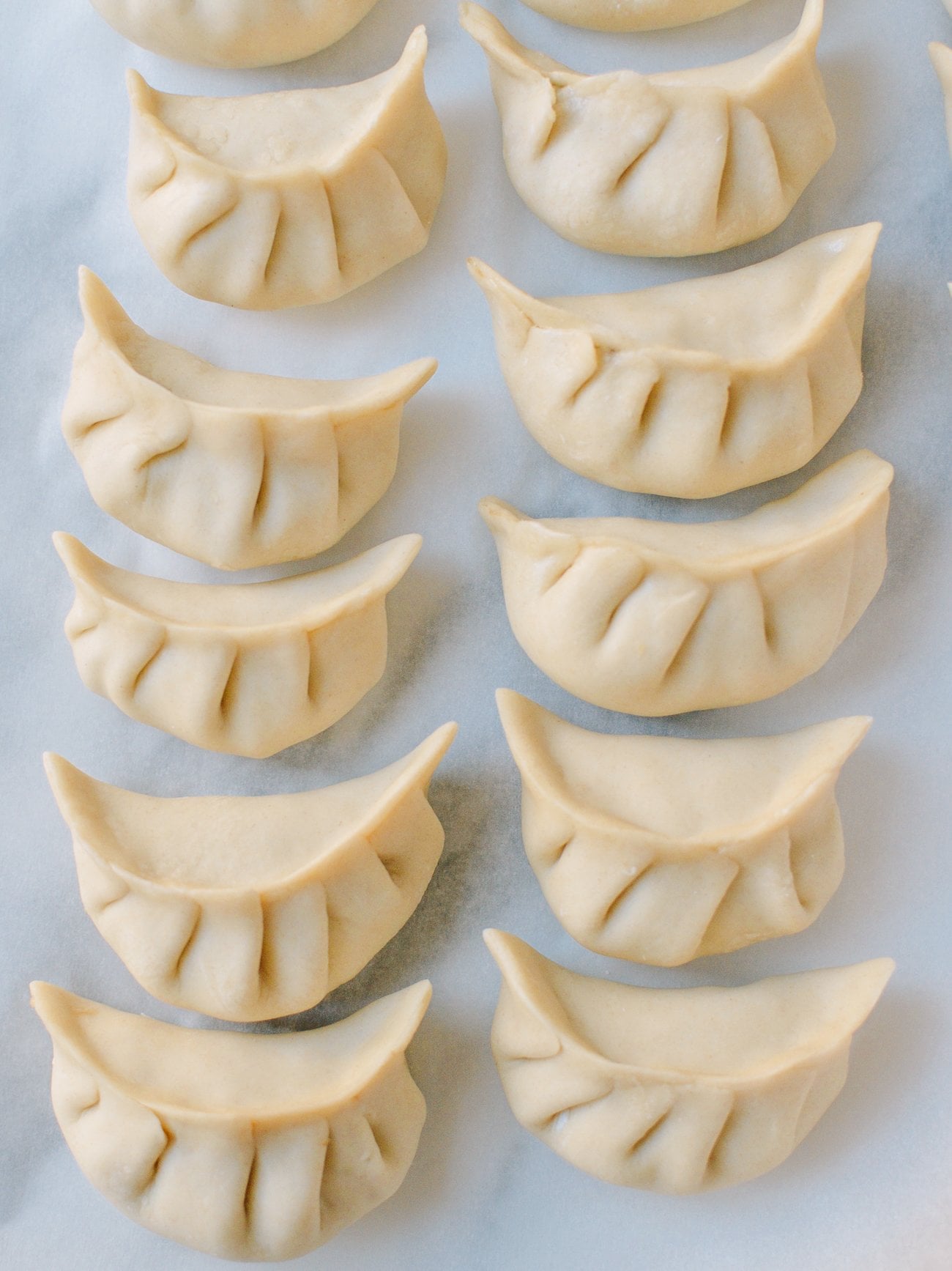
Unlock the Secret to Perfect Dumplings: Easy Homemade Wrappers with 3 Pantry Staples
Imagine biting into a perfectly pleated dumpling, its filling savory and rich, encased in a wrapper that is tender, chewy, and holds its shape beautifully. While store-bought wrappers offer convenience, nothing compares to the sublime texture and taste of homemade. The good news? You don't need a culinary degree or a list of exotic ingredients to achieve this. Learning
how to make dumpling wrappers from scratch is surprisingly simple, requiring only three pantry staples: flour, salt, and water. This guide will walk you through the process, transforming these humble ingredients into the ideal foundation for your next dumpling feast.
Why Homemade Dumpling Wrappers Trump Store-Bought Every Time
While commercial dumpling wrappers certainly have their place for a quick meal, dedicating a little extra time to make your own pays dividends in flavor, texture, and overall dumpling experience. Here's why homemade reigns supreme:
*
Unmatched Texture: Freshly made wrappers boast a soft, tender, and distinctly chewy quality that mass-produced versions simply can't replicate. This supple texture provides the perfect contrast to your juicy filling.
*
Superior Durability: Homemade dough, especially when made correctly, is incredibly pliable and durable. This means less tearing during the pleating process, allowing you to confidently fill and shape your dumplings without fear of breakage.
*
Customization is King: When you make your own, you have total control over the size and thickness of each wrapper. This is particularly advantageous for various dumpling types – from delicate wontons to robust Korean mandu, which often feature substantial fillings including vegetables, tofu, meat, and noodles. You can tailor your wrappers to perfectly complement any culinary creation.
*
Enhanced Flavor: While subtle, the fresh taste of a homemade wrapper elevates the entire dumpling. It provides a clean, wholesome base that lets your filling truly shine.
The effort involved in making your own *how to make dumpling wrappers* is truly "totally worth it!" as the difference is immediately noticeable and deeply satisfying.
The Secret to Success: The Hot Water Dough Method
One of the most crucial elements in creating those wonderfully soft and chewy dumpling wrappers is the temperature of your water. The hot water dough method is a game-changer, and understanding its science is key to mastering
how to make dumpling wrappers.
When you mix flour with hot water (around 130-140°F or 55-60°C), two significant things happen:
1.
Partial Gluten Inhibition: The heat denatures some of the proteins in the flour, which partially inhibits gluten development. Less gluten means the dough is less elastic and springy, making it significantly easier to roll out thinly without it snapping back.
2.
Starch Gelatinization: The hot water also cooks, or gelatinizes, the starch in the flour. This allows the dough to absorb more water, resulting in a higher water content in the final wrapper. This higher water content keeps the dumpling skins incredibly tender after they've been cooked.
The result is a dough that is not as elastic as cold water dough (which is better for boiled dumplings) but incredibly soft, pliable, and easy to work with. This makes hot water dough ideal for dumplings that will be steamed or pan-fried, as the wrappers remain tender without absorbing excessive moisture during cooking. It's truly
The Secret to Soft, Chewy Dumpling Wrappers: Hot Water Dough, ensuring your dumplings are always a delight.
Gathering Your Simple Ingredients and Tools
Before you embark on your dumpling wrapper journey, let's ensure you have everything you need. The beauty of this recipe lies in its simplicity.
Essential Ingredients:
1.
All-Purpose Flour: This is your primary building block. Unbleached all-purpose flour is often preferred for its slightly better flavor and texture. While precise weight measurements (e.g., 1 cup typically around 140 grams) offer consistency, don't fret if you don't have a scale. For dumpling dough, you can always adjust the consistency by adding a little more water or flour as needed. If you're buying a Korean brand, look for *joong-lyuk-boon* (중력분).
2.
Salt: A pinch of salt isn't just for flavor; it also helps to strengthen the dough structure and contributes to its elasticity.
3.
Hot Water: As discussed, the temperature is crucial. Aim for water between 130-140°F (55-60°C). This can be achieved by heating water until it's steamy but not vigorously boiling.
Basic Tools You'll Need:
* Large mixing bowl
* Chopsticks or a sturdy spatula for initial mixing
* Clean, well-floured work surface (a large cutting board or countertop)
* Dough scraper (optional, but very helpful)
* Small rolling pin (a traditional Chinese or Korean rolling pin is ideal for individual wrappers, but a standard one works too)
* Plastic wrap or a damp towel
* Parchment paper or a lightly floured tray for storing finished wrappers
Your Step-by-Step Guide: How to Make Dumpling Wrappers Effortlessly
Ready to turn those humble ingredients into perfect dumpling skins? Follow these steps closely for the best results:
Step 1: Combine Dry Ingredients
In your large mixing bowl, combine the all-purpose flour and salt. Use chopsticks or a whisk to mix them thoroughly, ensuring the salt is evenly distributed.
Step 2: Incorporate Hot Water Gradually
While continuously mixing the flour with chopsticks or a spatula, slowly pour in the hot water. Mix until the water is fully absorbed and the dough begins to come together. At this stage, the dough will likely be a bit crumbly and dry, and that's perfectly normal.
Step 3: Knead the Dough to Smooth Perfection
Transfer the crumbly dough onto a lightly floured work surface. Begin kneading the dough with your hands. Focus on pressing, folding, and pushing the dough. Continue kneading for about 5-8 minutes. The goal is a dough that is round, smooth, and cohesive. The more you knead, the more developed the gluten will become (even with hot water inhibiting it), leading to a smoother, more pliable dough.
Step 4: The Crucial Resting Period
Once your dough ball is smooth, cover it tightly with plastic wrap or a damp kitchen towel. Let the dough rest at room temperature for at least 30 minutes, or even up to an hour. This resting period is vital: it allows the gluten to relax, making the dough much softer, more pliable, and incredibly easier to roll out thinly without resistance. Do not skip this step when learning
how to make dumpling wrappers!
Step 5: Divide and Prepare for Rolling
After resting, lightly dust your work surface with flour again. Take the dough, gently knead it for another minute or two, then roll it into a long, even log. Using a dough scraper or knife, divide the log into small, equal-sized pieces. The size will depend on how large you want your wrappers to be (typically about 8-10 grams each for standard dumplings). Keep the pieces you're not working with covered to prevent them from drying out.
Step 6: Rolling Out Individual Wrappers
Take one small piece of dough and flatten it slightly with your palm. Lightly flour both sides of the dough piece and your rolling pin. Using a small rolling pin, start rolling from the center outwards, rotating the dough frequently. Aim for a circular shape, with edges that are thinner than the center. The slightly thicker center helps to contain the filling, while thin edges make for delicate pleats. Continue rolling until the wrapper is translucent but still sturdy enough to handle.
Mastering this technique is key to
Mastering Homemade Dumpling Wrappers: Durable & Pliable Dough.
Adjusting Dough Consistency: A Crucial Skill
Don't be afraid to adjust your dough. If it feels too dry and crumbly after initial mixing, add a tiny bit more hot water (about a teaspoon at a time) until it comes together. If it's too sticky after kneading, sprinkle a little more flour onto your work surface and knead it in. Learning to "feel" the dough and its moisture level is an invaluable skill.
Expert Tips for Flawless Homemade Dumpling Wrappers
*
Keep it Covered: Always keep any dough you're not actively working with covered with plastic wrap or a damp towel to prevent it from drying out, which can make it tough and difficult to roll.
*
Flour Sparingly: While flour is necessary to prevent sticking, using too much when rolling can make your wrappers dry and crack easily. Dust lightly and re-flour only as needed.
*
Practice Makes Perfect: Your first few wrappers might not be perfectly round, but don't get discouraged! With a little practice, you'll find your rhythm and achieve beautifully consistent wrappers.
*
Storage Solutions: If you make more wrappers than you need, you can store them. Lightly dust individual wrappers with flour to prevent sticking, stack them, and place them in an airtight container or zip-top bag. They can be refrigerated for 2-3 days or frozen for up to a month. Thaw frozen wrappers in the refrigerator overnight before use.
Conclusion
Learning
how to make dumpling wrappers at home is a rewarding culinary skill that elevates any dumpling dish from good to extraordinary. With just three basic ingredients and a little patience, you can create wrappers that are superior in taste, texture, and durability to anything you'll find in a store. Embrace the hot water dough method, follow our step-by-step guide, and soon you'll be enjoying the unparalleled satisfaction of perfectly handmade dumplings. So, roll up your sleeves, grab your flour, and get ready to experience the magic of truly homemade wrappers!